Outdoor Kitchens on Deck: Combine Cooking and Entertaining
Outdoor deck kitchens offer a sophisticated approach for merging culinary activities with social gatherings. Such areas encourage family and friends to share dining experiences outdoors while elevating the visual appeal and practicality of a residence. Essential elements can convert a typical deck into an engaging entertainment area. Nevertheless, the design and choice of components demand thorough deliberation to maximize enjoyment and utility. Which fundamental elements should homeowners focus on to establish the perfect alfresco culinary space?
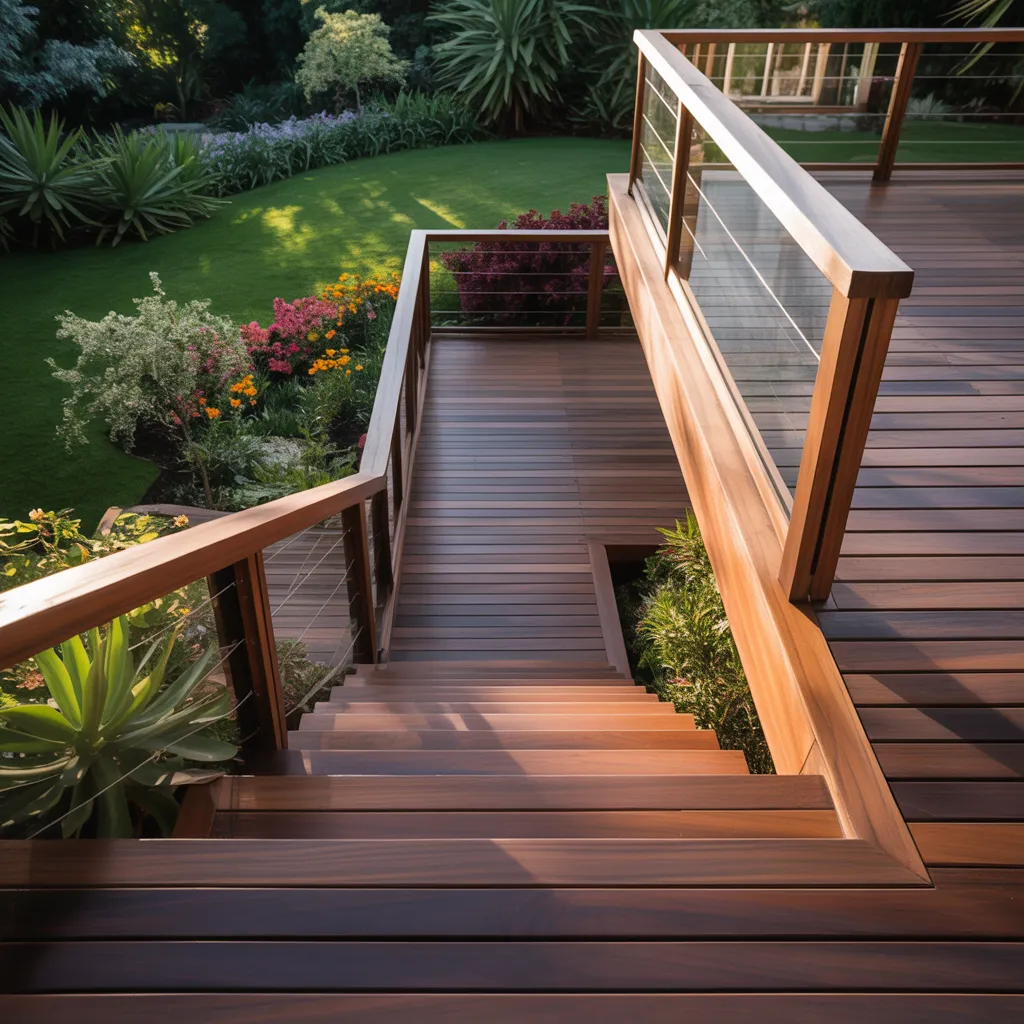
Why Your Deck Needs an Outdoor Kitchen
An outdoor kitchen transforms a deck into a lively entertainment area, elevating both practicality and fun. This addition elevates outdoor living experiences by facilitating smooth cooking and hosting in the outdoors. The convenience of having cooking facilities outdoors promotes more regular get-togethers, whether hosting informal grilling sessions or sophisticated outdoor dinners.
Moreover, outdoor kitchens can help integrate the surrounding environment with the art of cooking, fostering a one-of-a-kind ambiance that traditional indoor kitchens simply cannot offer. Families can bond over meal preparation while enjoying the sights and sounds of nature.
Furthermore, the addition of an outdoor kitchen can enhance a home's worth, making it an enticing feature for potential purchasers. With generous space for food prep, dining, and socializing, an outdoor kitchen on a deck not only enhances lifestyle but also fosters togetherness and camaraderie among family and friends. As a result, the advantages of incorporating this feature are both immediate and long-lasting.
Must-Have Features for Your Outdoor Kitchen
A well-designed outdoor kitchen must feature key culinary equipment to improve the overall dining experience. Furthermore, carefully planned functional spaces are vital for optimal performance and usability. Collectively, these components form a perfect harmony of convenience and functionality for outdoor cooking enthusiasts.
Essential Cooking Appliances
While designing an outdoor kitchen, choosing the right cooking equipment is crucial for both practicality and pleasure. A top-tier grill frequently serves as the focal point, offering versatility for a range of cooking techniques. Working alongside the grill, a sturdy outdoor refrigerator provides quick access to drinks and food items, improving ease during events. For individuals who love diverse flavors, a smoker can introduce distinctive tastes to dishes. Additionally, a sink with running water facilitates food prep and cleanup, creating an effortless culinary experience. Incorporating a side burner enables the preparation of sauces or side dishes without overwhelming the main cooking surface. Finally, a small outdoor oven can enhance baking capabilities, making room for homemade pizzas or desserts. These appliances together improve the outdoor cooking experience, rendering it both satisfying and streamlined.
Practical Workspace Design
Designing a well-organized workspace in an open-air kitchen is crucial for improving efficiency and enjoyment. A carefully planned layout includes critical aspects such as generous counter space for food preparation and serving. Installing a sink supports effortless cleaning and boosts culinary workflow. Organization solutions, like cabinets and shelves, are important for ensuring tools and ingredients sorted and readily available. Furthermore, strategic placement of kitchen appliances, such as grills and smoking units, provides a seamless workflow. Think about adding a covered area to guard those cooking from the weather while grilling. Finally, installing an outdoor bar or seating area enhances social interaction, enabling guests to come together and savor the culinary experience. Together, these features create an charming and useful open-air kitchen setting.
Selecting the Perfect Grill for Your Area
Choosing the right outdoor cooker for an outdoor kitchen demands careful consideration of dimensions and fuel source. The dimensions of the grill must correspond to the space available, ensuring effective utilization without overcrowding. Moreover, the choice between gas, charcoal, or electric can greatly impact cooking style and convenience.
Considerations for Grill Size
Picking the ideal grill size is essential for optimizing an outdoor kitchen space, as it provides both functionality and comfort during meal preparation and hosting. A grill that is too small can restrict food preparation possibilities, causing frustration when holding outdoor events. In contrast, an excessively large grill can overwhelm the space, making it feel cramped and less inviting.
When picking out a grill, one must take into account the number of guests typically entertained and the types of meals prepared. For compact family settings or intimate occasions, smaller models may be sufficient. Families with more members or regular hosts may benefit from more expansive grills with multiple cooking zones. Ultimately, the ideal grill will balance size with the overall layout of the outdoor kitchen, ensuring a harmonious and efficient cooking environment.
Fuel Type Options
Beyond grill size, fuel type plays a significant role in determining the suitability of a grill for an outdoor kitchen. Homeowners generally decide between propane, natural gas, charcoal, or electric grills, all of which offer their own distinct advantages. Propane grills are portable and easy to use, making them perfect for homeowners who value convenience. Natural gas grills demand a permanent hookup but ensure a reliable fuel source, eliminating the need for tank replacements. Charcoal grills deliver a classic flavor profile that many cooking enthusiasts love, even though they call for greater time and effort during the heating process. Electric grills present a smokeless alternative, ideal for more compact areas. In the end, the selected fuel type should match culinary preferences, spatial constraints, and overall lifestyle requirements.
How to Design Your Outdoor Cooking Space
Developing an exterior culinary space necessitates thorough evaluation of numerous factors to build a useful and attractive setting. Initially, the arrangement should support effortless transition between food preparation, distribution, and dining spaces. A spacious configuration cultivates connection between guests while minimizing congestion.
Additionally, selecting resilient options is vital, as outside elements can be unforgiving. Climate-resistant counters and storage units ensure durability and simple upkeep.
Adding appropriate lighting is necessary for evening gatherings, elevating both safety and the overall atmosphere.
Moreover, adding organizational systems enables organized cooking essentials, ensuring the space remains clutter-free.
Additionally, taking into account how close the space is to the home can improve convenience for both meal preparation and cleanup. Balancing aesthetics with functionality will create a well-integrated space that encourages gathering and cooking inspiration, turning outdoor cooking into an enjoyable endeavor.
Leading Appliances for Outdoor Cooking
A thoughtfully equipped outdoor kitchen improves the culinary experience and elevates outdoor gatherings. Key appliances for outdoor cooking feature high-quality grills, which act as the focal point for barbecuing. Gas, charcoal, and pellet grills all provide distinct flavors and cooking techniques, accommodating a range of preferences.
Outdoor ovens represent another excellent feature, providing diverse culinary opportunities, from preparing homemade pizzas to cooking succulent roasts. Additionally, smokers can introduce bold, smoky aromas, satisfying dedicated grilling aficionados.
Refrigerators are essential for everyday convenience, keeping ingredients fresh and beverages cool. A running water sink additionally simplifies the cooking workflow, rendering food prep and cleanup far more efficient.
To supplement these options, additional burners deliver added cooking space for sauces and side dishes, guaranteeing all dishes is ready all at once. Collectively, these outdoor appliances improve both usability and function but also elevate outdoor areas into cooking destinations, perfect for entertaining guests.
Designing a Comfortable Outdoor Dining Space
Integrating plush fabrics, such as throw pillows and table runners, brings warmth and elegance. To build a cozy environment, carefully positioned garden lighting—for instance string lights or decorative lanterns—can completely change the area for evening entertaining.
Adding greenery through potted plants or hanging baskets brings a natural touch that improves the overall atmosphere. A carefully selected centerpiece, like a vase of fresh flowers or seasonal accents, can function as an eye-catching focal point.
Finally, examine the design of the dining space, guaranteeing it integrates with the surrounding entertainment areas and outdoor kitchen. This deliberate preparation guarantees that every meal becomes a memorable experience.
How to Care for Your Outdoor Kitchen Appliances
Creating a cozy outdoor dining area naturally leads to the need for regular maintenance of outdoor cooking equipment. Consistent care secures long-lasting use and top performance. Thoroughly cleaning grills after each cooking session is critical, removing grease and food particles to prevent flare-ups and rust. Outdoor kitchen appliances must be checked routinely for wear and tear, with any damaged components replaced promptly.
To care for countertop surfaces, applying a gentle cleaning solution and a soft cloth can prevent stains and keep them looking polished. Additionally, outdoor refrigerators should be kept at the appropriate temperature, and drains must be cleared to avoid clogs. Placing covers on appliances during periods of non-use shields them from the elements, extending their longevity.
Lastly inspecting gas and electrical connections regularly promotes safety. By committing to these maintenance practices, homeowners will enjoy their outdoor cooking spaces for years to come, elevating the overall cooking and entertaining experience.
Innovative Design Concepts for Your Outdoor Kitchen
Outdoor kitchens offer a platform for imaginative design concepts that can transform any backyard space. A widely favored approach involves incorporating a multi-functional island, which acts as both a cooking station and a dining surface, allowing for seamless entertaining. Integrating organic elements, such as wood or natural rock, can create a rustic charm while complementing the existing outdoor landscape.
Incorporating a pergola or awning offers shelter and comfort, improving the experience outdoors. A further creative method incorporates employing living walls or herb gardens for culinary convenience as well as aesthetic appeal.
Regarding lighting options, consider stylish pendant lights or built-in LED strips that improve the atmosphere while offering functional lighting. Moreover, integrating smart features, such as embedded speakers or outdoor-grade refrigerators, can boost the practicality of the outdoor setting. Ultimately, thoughtful additions express unique character, transforming any outdoor kitchen into a unique gathering spot for family and friends.

Questions We Often Receive
What Are the Best Materials for a Durable Outdoor Kitchen?
Stone, stainless steel, and weather-resistant materials are ideal materials for outdoor kitchen durability. These materials endure severe weather conditions, prevent corrosion, and preserve visual attractiveness, providing a resilient and efficient culinary space in open-air surroundings.
How Can I Shield My Outdoor Kitchen From Weather Damage?
To shield an outdoor kitchen from weather damage, it is important to utilize weather-resistant covers, establish effective drainage, opt for rust-proof materials, and regularly maintain surfaces. Following these steps ensures lasting use and efficiency even in harsh weather conditions.
Can I Install an Outdoor Kitchen Myself?
Absolutely, people can install an outdoor kitchen on their own, given that they have the necessary knowledge and equipment. Careful planning and following local regulations are crucial for a successful and safe build.
What Permits Are Required for Building an Outdoor Kitchen?
Local regulations frequently mandate permits when building outdoor kitchens, including building, zoning, and electrical permits. You should check municipal requirements and possibly hire a qualified expert to learn about this guarantee adherence to all legal and safety requirements.
How Should I Include Lighting in My Outdoor Cooking Setup?
To incorporate lighting to an outdoor cooking space, one can place overhead fixtures, festoon lights, and focused task lighting near food preparation areas, ensuring a well-lit environment that enhances both safety and atmosphere during nighttime gatherings.